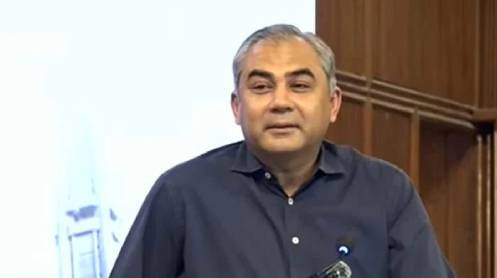
Karachi: Abdul Rehman Fudda, President of the S.I.T.E. Association of Industry, has voiced serious concerns over the recent surge in electricity tariffs and the abrupt closure of gas supply to industries for two consecutive days. The suspension, he said, was attributed to the absence of RLNG cargos from Qatar, as reported by Sui Southern Gas Company.
SAI President highlighted that the NEPRA had already increased electricity rates twice last year—33 paisa per unit for the July-September 2025 quarter, followed by 35 paisa per unit for October-December 2025. Now, NEPRA has approved a further hike of Rs 1.6274 per unit for distribution companies, including K-Electric, to recover an additional Rs 14 billion under the Fuel Charges Adjustment (FCA) mechanism for January 2026.
The industrial community warned that the latest tariff revision will heavily burden K-Electric consumers across the board, adding billions of rupees to operating costs and threatening industrial productivity in the city.
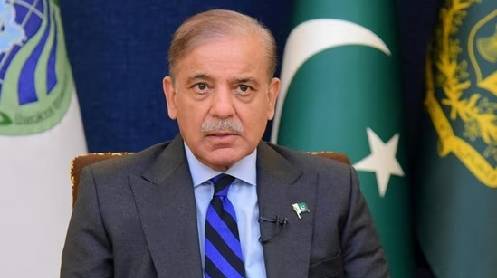
The Government has the right idea that the industries should be given utilities at the competitive rates but practically it is not being seen which jeopardizes the good vision of the government. The recent increase in electricity tariffs, they argue, has largely offset the impact of the Rs 4.4 per unit reduction announced by Prime Minister Mian Shahbaz Sharif in end January, a move intended to boost productivity and exports.
Adding to the challenge, Pakistan’s inability to secure RLNG cargos from Qatar amid the current geopolitical situation has created a supply-side bottleneck in the Sui Southern Gas Company (SSGC) network, forcing cuts in gas supply to industries. This comes alongside restrictions on offtake from local gas fields, prioritized in favor of pre-committed RLNG deliveries. Industrial representatives have urged SSGC to immediately resume offtake from domestic fields to prevent further disruption to industrial operations.
Abdul Rehman Fudda, warned that Pakistan’s lack of energy security—driven by both internal and external factors—is placing severe strain on an already overburdened industrial sector. He urged the government to urgently address the issue, noting that continued disruptions could further depress industrial output, which had already shown a decline in February 2026, according to media reports.